Six years ago, the world completely changed.
In April 2020, the onset of the COVID-19 pandemic brought Bangladesh to a sudden, terrifying standstill. For many, a national lockdown meant working from home, buying groceries in bulk, and staying safe indoors. But for millions of day laborers, street vendors, and marginalized communities across our country, a lockdown didn't just mean a change in routine—it meant immediate starvation.
Looking back from 2026, where Gift for Good has grown into a structured platform for sustainable impact, I often reflect on those early, chaotic days of April 2020. It was the moment our organization was truly baptized in fire.
We realized very quickly that when crisis strikes, you don't wait for things to get better. You become the safety net.
The Birth of a Global Pipeline
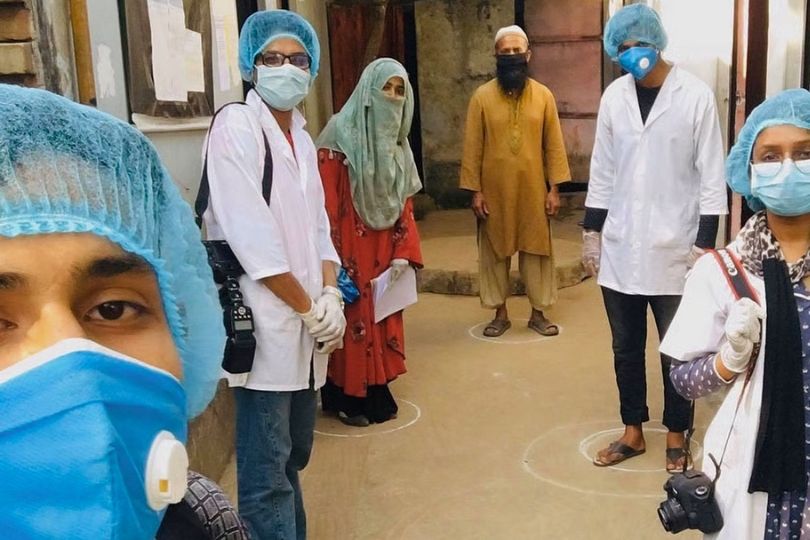
When the lockdown hit, staying home wasn't an option for our team. But passion alone doesn't buy metric tons of rice and lentils. We needed a bridge.
That bridge came from Germany, where Syed Shakil, the founder of the Syed Shakil Welfare Trust and Asha Hope for Bangladesh, heard our call. He provided the vital financial backing, and Gift for Good, alongside Alokito Shishu, became the operational engine on the ground.
Our mission was simple but daunting: get essential, life-saving rations to families completely cut off from traditional aid channels, and do it safely.
Rations, Rivers, and Risk
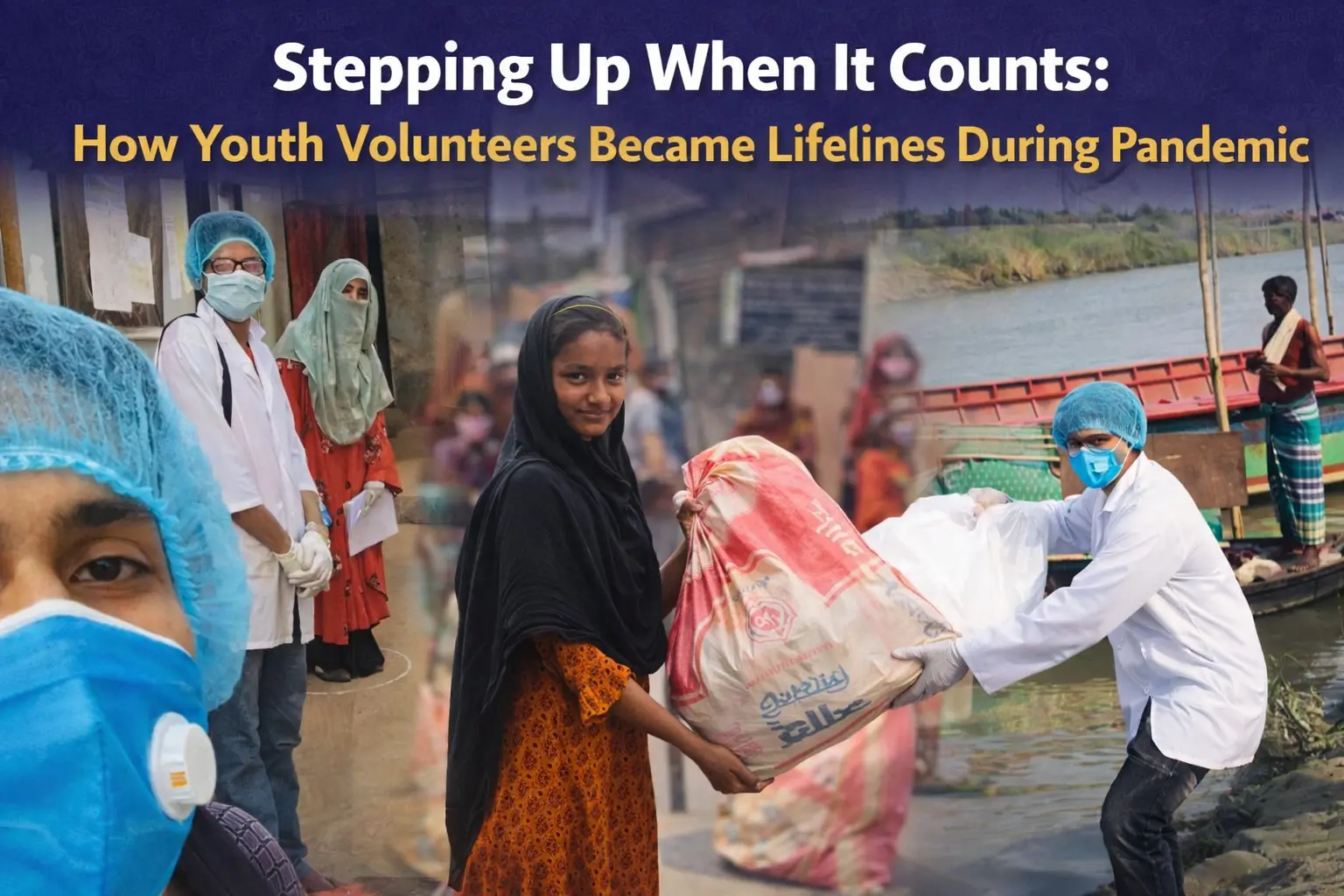
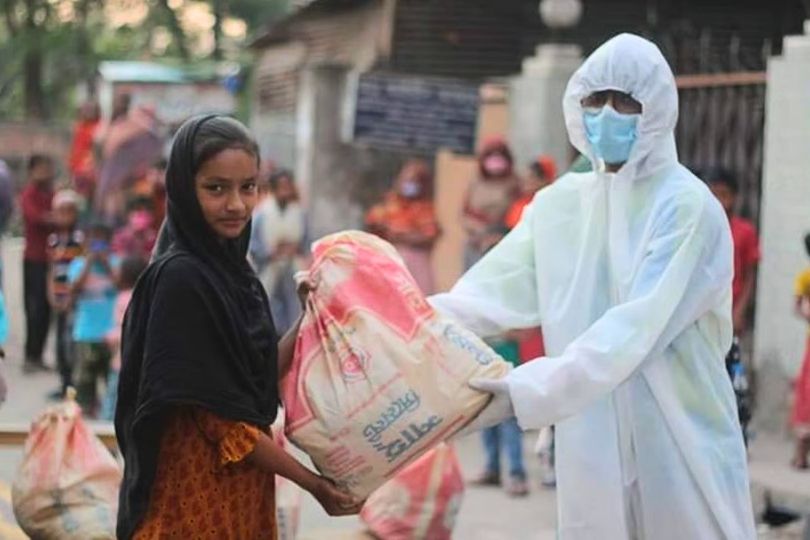
We engineered custom "Ration Bags" designed to sustain a family for weeks. Each bag contained 4 kg of rice, 1 kg of lentils, 1 liter of oil, 1 kg of salt, 1 kg of flour, 2 kg of potatoes, and a bar of soap.
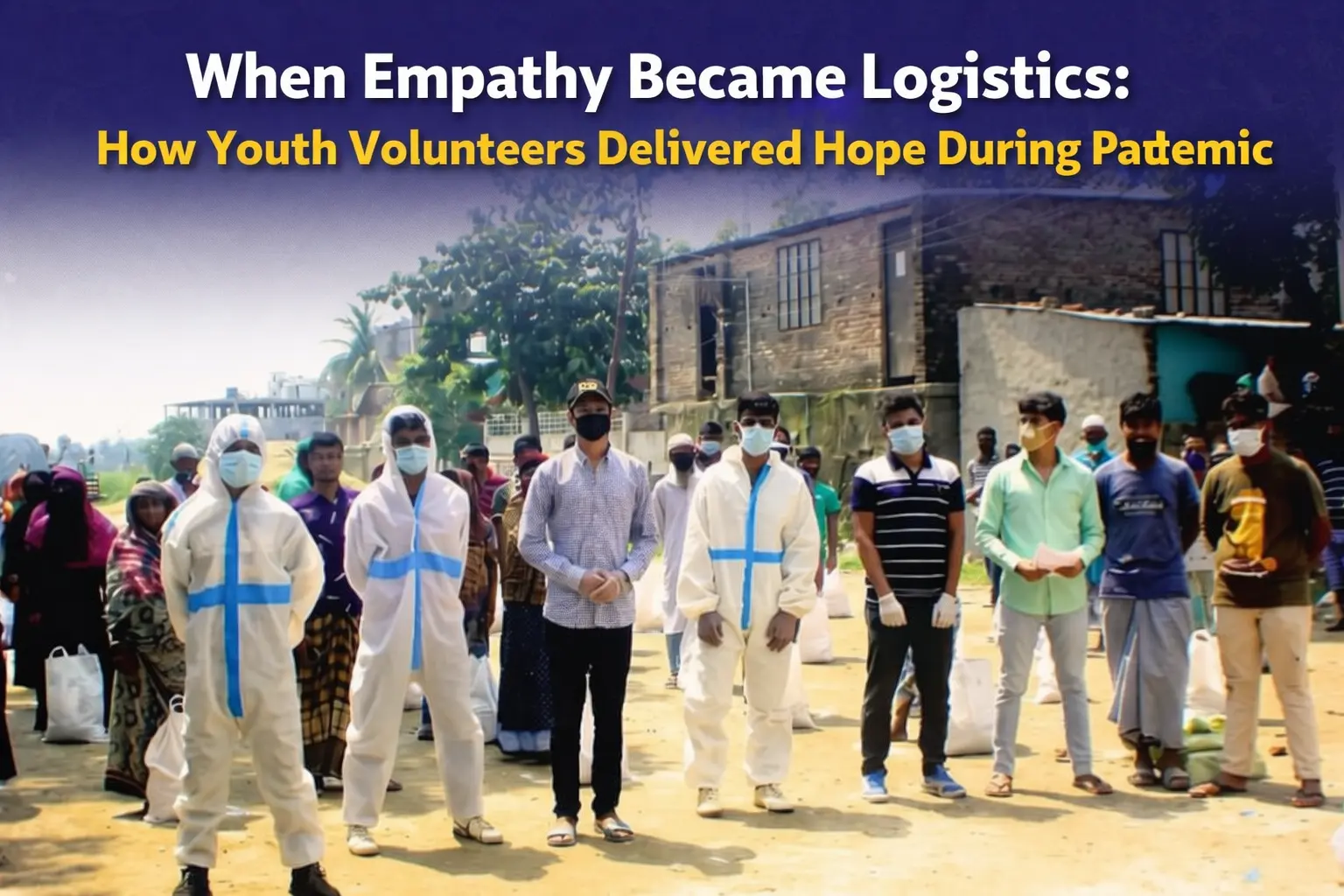
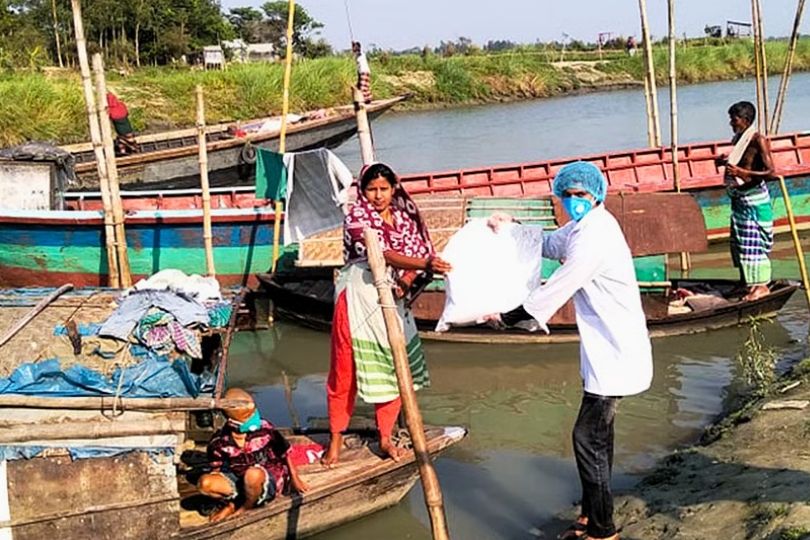
But packing them was only 10% of the battle. Moving them across a locked-down country was the real challenge. Our volunteers put on protective suits, braved the empty, anxious streets, and pushed into areas others were hesitant to enter:
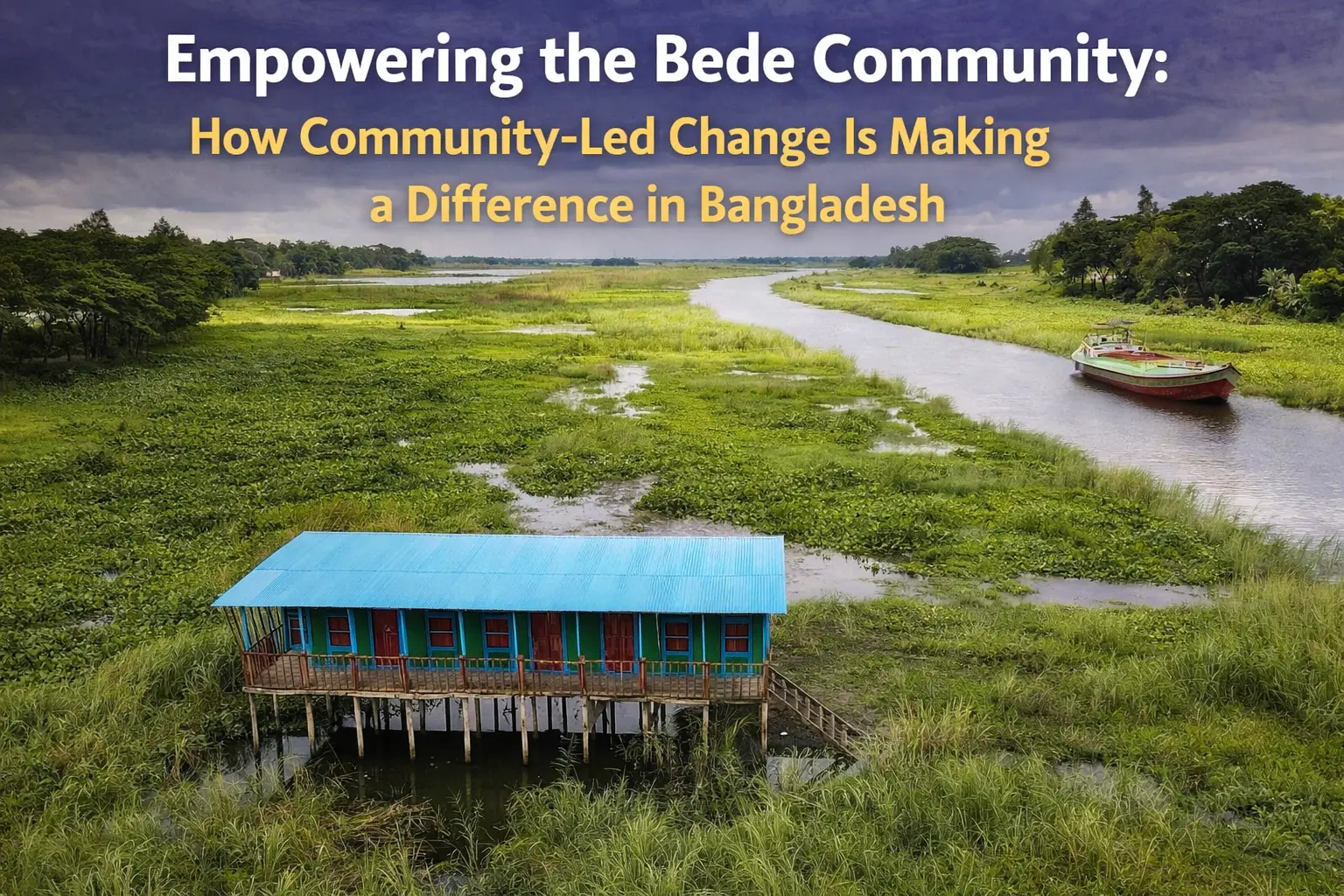
The Floating Communities: We took boats out to the riverbanks of Munshiganj to support 120 nomadic Bede families living on the water.
The Coastal Front: We coordinated with local networks to drop off packages for 100 isolated families in Char Fasson, Bhola.
The Urban Edge: We mapped out and delivered aid to 50 families of underprivileged students in Mirpur and 50 day-laborer households in Savar.
At the exact same time, we saw the heartbreaking reality of the homeless population in Dhaka who had no kitchens to cook raw rations. So, we launched a mobile kitchen, serving 300 hot, nutritious meals every single day on the streets.
Reflecting on the Frontlines:
"Seeing our young volunteers suit up in full PPE gear, risking their own health in a pre-vaccine world just to hand over a bag of food—that was the exact moment I knew Gift for Good wasn't just a temporary project. It was a movement."
Why This Matters in 2026
We often talk about "social impact" in corporate boardrooms and strategy meetings. But true impact is messy, unpredictable, and requires radical empathy.
The 500,000+ meals worth of relief we distributed during that intense 10-day sprint in 2020 didn't just solve a temporary hunger crisis. It laid the brick-and-mortar foundation for how Gift for Good operates today. It taught us how to handle supply chain bottlenecks, how to verify transparent fund utilization for international donors, and most importantly, how to build unbreakable trust with marginalized communities.
To everyone who stood by us then, and to everyone who continues to support Gift for Good today—thank you. We proved that when the world goes dark, our collective humanity is the strongest light we have.